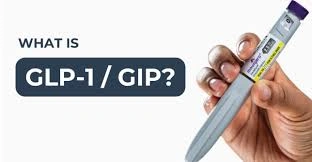
GLP-1 and GIP: How These Metabolic Signals Control Your Appetite
In the complex symphony of human metabolism, two hormones, Glucagon-Like Peptide-1 (GLP-1) and Glucose-Dependent Insulinotropic Polypeptide (GIP), play crucial roles in regulating not just blood sugar, but also our appetite and satiety. Often referred to as 'incretin hormones,' they are naturally released by the gut in response to food intake, signaling to the brain and pancreas to manage energy balance. Understanding how GLP-1 and GIP work can shed light on effective strategies for weight management and metabolic health.
The Role of GLP-1 in Appetite Regulation
GLP-1 is perhaps the more well-known of the two, especially with the rise of GLP-1 receptor agonist medications for diabetes and weight loss. When food enters the digestive tract, GLP-1 is secreted by L-cells in the small intestine. Its primary functions related to appetite include:
- Slowing Gastric Emptying: GLP-1 delays the rate at which food leaves the stomach, leading to a prolonged feeling of fullness and reducing the urge to eat more quickly [1].
- Increasing Satiety: It acts directly on the brain's satiety centers, particularly in the hypothalamus, to reduce hunger signals and enhance feelings of satisfaction after a meal [2].
- Reducing Food Intake: By influencing both gastric emptying and brain signals, GLP-1 effectively decreases overall food consumption.
- Improving Glucose Regulation: Beyond appetite, GLP-1 stimulates insulin secretion in a glucose-dependent manner and suppresses glucagon release, helping to stabilize blood sugar levels [3].
GIP: The Lesser-Known but Equally Important Partner
GIP, secreted by K-cells in the duodenum (the first part of the small intestine), was initially recognized for its potent insulinotropic effects. While GLP-1 often takes the spotlight for appetite suppression, GIP plays a complementary and increasingly recognized role:
- Insulin Secretion: GIP is a powerful stimulator of insulin release from pancreatic beta cells, particularly after nutrient intake, contributing significantly to post-meal glucose control [4].
- Fat Metabolism: Emerging research suggests GIP may influence fat storage and metabolism in white adipose tissue, potentially boosting the effectiveness of GLP-1 receptor agonists in weight loss [5].
- Appetite Modulation: While GLP-1 is more directly associated with reducing hunger, GIP can also contribute to appetite control, especially when combined with GLP-1. Some studies indicate that GIP may enhance the appetite-suppressing effects of GLP-1, leading to more effective weight management [6].
The Synergy of GLP-1 and GIP
The true power of these incretin hormones often lies in their synergistic action. Medications that target both GLP-1 and GIP receptors have shown superior efficacy in weight loss and glycemic control compared to those targeting GLP-1 alone. This dual agonism leverages the distinct yet complementary pathways of both hormones to achieve a more robust metabolic response.
| Hormone | Primary Source | Key Role in Appetite/Metabolism |
|---|---|---|
| GLP-1 | L-cells (small intestine) | Slows gastric emptying, increases satiety, reduces food intake, stimulates insulin, suppresses glucagon. |
| GIP | K-cells (duodenum) | Potent insulinotropic effect, influences fat metabolism, complements GLP-1 in appetite control. |
How to Support Your Natural GLP-1 and GIP Production
While medications can harness the power of these hormones, certain lifestyle choices can naturally support their healthy function:
- Balanced Diet: Consuming meals rich in protein, fiber, and healthy fats can stimulate the release of both GLP-1 and GIP, promoting satiety and stable blood sugar.
- Mindful Eating: Eating slowly and chewing thoroughly can enhance the release of these gut hormones, giving your body time to register fullness.
- Regular Physical Activity: Exercise can improve overall metabolic health, indirectly supporting incretin function.
Conclusion
GLP-1 and GIP are more than just blood sugar regulators; they are sophisticated metabolic signals that profoundly influence our appetite and body weight. By understanding their individual and combined effects, we can appreciate the intricate mechanisms our bodies use to maintain energy balance. For those seeking to manage their weight and improve metabolic health, leveraging the power of these incretin hormones, whether through lifestyle or medical interventions, offers a promising path forward.
Support Your Appetite & Metabolism — Naturally
You've just seen how GLP-1 and GIP shape hunger and satiety. BurnSlim is formulated to help support your metabolism and appetite as part of a healthy weight-management routine — no prescription needed.
Discover BurnSlim A dietary supplement to complement diet and lifestyle — not a medication.References:
[1] Cleveland Clinic. (n.d.). GLP-1 Agonists. Retrieved from https://my.clevelandclinic.org/health/treatments/13901-glp-1-agonists
[2] PrivateDoc. (n.d.). What is GLP-1 and GIP? Dual-action weight loss (UK). Retrieved from https://www.privatedoc.com/weight-loss/blog/what-is-glp-1-gip
[3] Nature. (2024, September 18). Glucagon-like peptide-1 receptor: mechanisms and advances in... Retrieved from https://www.nature.com/articles/s41392-024-01931-z
[4] Diabetes. (2021, June 27). The Role of GIP in the Regulation of GLP-1 Satiety and Nausea. Retrieved from https://diabetesjournals.org/diabetes/article/70/9/1956/137765/The-Role-of-GIP-in-the-Regulation-of-GLP-1-Satiety
[5] Lukner Med. (2024, March 17). Unraveling the Impact of GLP-1 and GIP on Weight Loss in the 21st Century. Retrieved from https://www.luknermed.com/post/unraveling-the-impact-of-glp-1-and-gip-on-weight-loss-in-the-21st-century
[6] HealthCentral. (n.d.). How Do GLP-1 and GIP-GLP-1 Drugs Work and What Makes Them... Retrieved from https://www.healthcentral.com/video/obesity/how-do-glp-1-and-gip-glp-1-drugs-work-and-what-makes-them-different